_edited.jpg)
The Complete Guide to Event Photography & Videography in Singapore (2026)

Capturing the perfect moments at an event requires more than just pointing a camera—it’s an art form. Whether you’re a business organizing a corporate gathering or a photographer looking to enhance your skills, understanding event photography & videography in Singapore is crucial. In this guide, we’ll explore the latest trends, essential tips, and best practices for creating stunning visual memories that leave a lasting impression.
Why Event Photography & Videography Matters
Event photography and videography go beyond simple documentation—they tell a story. Properly captured visuals:
Elevate brand image: High-quality photos and videos make your event look professional and polished.
Engage audiences online: Shareable content boosts social media engagement.
Preserve memories: A video or photo album is a permanent record of milestones.
Support marketing efforts: Videos can be repurposed for promotions, ads, and future campaigns.
2026 Event Photography & Videography Trends in Singapore
1. Hybrid & Virtual Event Coverage
Live streaming isn’t just a technical add-on anymore—it’s now a strategic engagement tool. Beyond basic broadcasting:
Multi-Camera Live Switching: Use multiple cameras with real-time switching for dynamic angles. This replicates a cinematic feel for virtual audiences.
Interactive Overlays: Integrate live polls, chat highlights, or sponsor logos directly into the live stream. This boosts online engagement and brand recall.
Localized Content Streams: For international attendees, provide region-specific streams with translated captions or live interpretation.
Innovation: Offer a “watch party” feature where online attendees can interact with in-person participants via split-screen feeds.
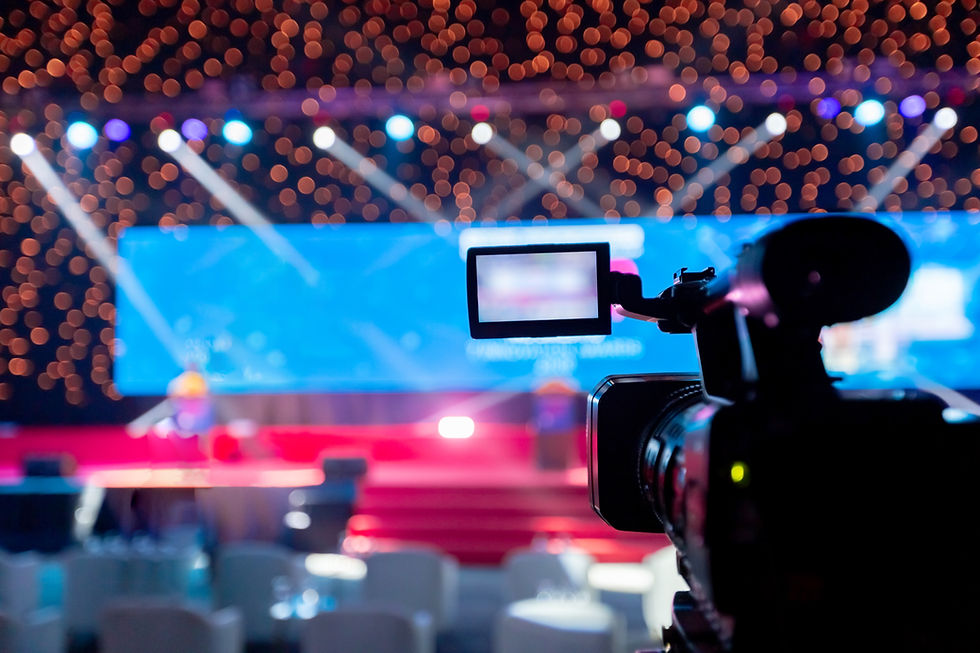
2. 360° Photography & VR-Ready Content
360° photos and VR content are still niche in Singapore, but they redefine event experiences:
Immersive Venue Tours: Before events, 360° previews help VIP guests or potential attendees explore the venue. Perfect for conferences and exhibitions.
Post-Event VR Recap: Instead of traditional highlight reels, create VR experiences that let attendees relive the event.
Integrated Storytelling: Use hotspots in 360° images to link to videos, speaker bios, or product demos.
Innovation: Combine VR content with gamification—attendees “unlock” different parts of the event to interact with sponsors or exclusive content.

3. Short-Form Social Media Videos (Reels, TikTok, YouTube Shorts)
Short-form video is no longer optional—it’s the primary way audiences consume event content. Go beyond clips:
Event Micro-Stories: Break your event into narrative micro-moments—e.g., “Opening Ceremony in 30 seconds” or “Top 3 Networking Moments.”
AI Captioning & Auto-Tagging: Automatically generate captions, hashtags, and location tags for maximum discoverability on TikTok and Instagram.
360° Short Clips: Combine 360° footage with vertical short-form edits for immersive social content.
Innovation: Implement shoppable moments—link products, event tickets, or sponsor offers directly in the video feed for instant conversions.

Drones are evolving beyond simple wide-angle shots to strategic event storytelling tools:
Dynamic Storytelling: Plan drone flight paths to highlight event flow, crowd engagement, or sponsor placements.
Cinematic Techniques: Use slow pans, orbiting shots, and reveal shots to make even corporate seminars look cinematic.
Safety & Regulations: For Singapore, always comply with CAAS rules. Use geofencing to avoid restricted areas automatically.
Innovation: Pair drones with augmented reality overlays—show sponsor branding, speaker names, or live stats on aerial footage.

Bonus! Multi-Sensory & Interactive Event Documentation
Record micro-interactions, applause, and ambient sounds to make highlight reels more immersive and emotionally engaging.
Combine interactive visual elements (clickable 360° shots, VR hotspots) with audio for a “living memory” of the event.
Choosing the Right Event Photography & Videography Services
When hiring professionals in Singapore, consider the following factors:
Experience & Portfolio
Look for photographers and videographers with a strong portfolio in corporate events, product launches, and private functions. Check examples of their work on websites or social media.
Style & Expertise
Event coverage can be documentary-style, candid, or creative cinematic. Ensure their style matches your vision.
Equipment & Technology
Modern events often require high-resolution cameras, drones, gimbals, and professional lighting. Advanced equipment ensures sharp, cinematic-quality images and videos.
Pricing & Packages
Compare different service packages, which may include full-day coverage, edited photos, highlight videos, or drone footage.
Client Reviews & References
Always check past client reviews or request references to ensure reliability and professionalism.
Tips for Event Photography in Singapore
Pre-Event Preparation
Scout the venue: Check lighting conditions, angles, and potential backdrops.
Plan your shots: Create a shot list of key moments (speeches, awards, performances).
Test equipment: Ensure cameras, lenses, microphones, and drones are functioning perfectly.
During the Event
Capture candid moments: Natural reactions often tell the most authentic stories.
Focus on lighting: Use reflectors or portable lights if needed to avoid dark shots.
Mix wide and close-up shots: Wide shots capture the crowd; close-ups highlight emotions.
Use creative angles: Low or high perspectives can make your visuals stand out.
Examples of Event Photography


Post-Event
Select the best shots: Curate images and videos that tell the full story of the event.
Professional editing: Adjust exposure, color, and sound quality to make visuals polished.
Share strategically: Use highlights for social media and detailed videos for clients.
Tips for Event Videography in Singapore
Plan storyboards: Even short videos benefit from pre-planned sequences.
Capture multiple angles: Use tripods, gimbals, and drones for dynamic shots.
Highlight key moments: Speeches, performances, and reactions are essential.
Include audio: Clear speech and ambient sound enhance the video experience.
Keep videos concise: Highlight reels should be 2–5 minutes for social sharing.
Businesses often have different needs compared to private events. Focus on:
Brand consistency: Ensure visuals reflect your corporate identity.
Professional team photos: Capture your team in action.
Marketing assets: Videos can be used for future campaigns, LinkedIn, or websites.
Event documentation: Keep a detailed visual record for internal reports or PR purposes.
Drone Photography & Videography for Events

Drone coverage is becoming increasingly popular in Singapore events. Benefits include:
Aerial perspectives: Capture the scale and layout of the event.
Unique angles: Adds a cinematic touch to highlight reels.
Engaging visuals: Perfect for outdoor events or large gatherings.
Tip: Ensure compliance with Singapore’s Civil Aviation Authority (CAAS) drone regulations.
Common Mistakes to Avoid in Event Photography & Videography in Singapore
1. Not Scouting the Venue in Advance
Many photographers and event organizers underestimate the importance of visiting the venue before the event. Poor planning can result in:
Bad lighting conditions: Without checking natural light or artificial lighting, you risk underexposed or harshly lit shots.
Limited angles: Some venues have structural or design limitations that restrict camera positions.
Missed key areas: Important features like stages, displays, or breakout areas may be blocked if not planned ahead.
How to avoid it:
Conduct a venue walkthrough a few days prior.
Take test photos or videos to analyze lighting and angles.
Plan where drones can safely fly for aerial coverage.
2. Ignoring Drone Regulations
Drone videography is a powerful way to capture aerial shots, but Singapore has strict rules enforced by the Civil Aviation Authority of Singapore (CAAS). Ignoring regulations can lead to:
Fines or penalties if flying in restricted airspace.
Event disruption if drones are grounded mid-event.
Safety risks to attendees.
How to avoid it:
Check CAAS guidelines for drone use in public and private venues.
Obtain necessary permits for commercial drone operations.
Use experienced, licensed drone operators.
3. Overlooking Post-Production
Capturing footage is only half the work. Skipping or rushing post-production can drastically reduce the impact of your visuals:
Raw footage looks unpolished: Poor color balance, shaky footage, or inconsistent lighting distract viewers.
Missed storytelling opportunities: Editing allows you to sequence moments for maximum narrative effect.
Reduced marketing value: Highlight reels and polished photos perform better for social media, PR, and websites.
How to avoid it:
Schedule enough time for professional editing.
Use software for color correction, audio enhancement, and stabilization.
Add subtle branding, text overlays, or motion graphics for corporate events.
4. Booking Too Late
Singapore is a competitive market for professional event photographers and videographers. Waiting too long can result in:
Unavailable top professionals during peak seasons.
Higher costs for last-minute bookings.
Limited package options, especially for drone coverage or full-day services.
How to avoid it:
Book photographers/videographers 3–6 months in advance for corporate events, weddings, or product launches.
Confirm your package early, including backup plans for equipment or crew.
Consider off-peak dates for more flexibility and cost savings.
5. Using Unprofessional Equipment
Relying on amateur cameras or low-quality equipment can compromise your event coverage:
Poor image quality: Pixelated, blurry, or underexposed photos.
Inconsistent video footage: Shaky shots, poor sound, or inadequate lighting.
Limited creative options: No gimbals, drones, or wide-angle lenses means fewer perspectives.
How to avoid it:
Hire professionals with high-resolution cameras, professional lenses, drones, and lighting kits.
Ensure they have backup equipment in case of technical issues.
Check previous work to confirm equipment quality meets your event standards.
6. Bonus: Failing to Communicate the Event Plan
A mistake many clients and photographers make is not sharing a clear shot list or event schedule:
Missed important moments or key speakers.
Confusion about drone or camera placement.
Inefficient coverage, wasting time and budget.
How to avoid it:
Provide a detailed schedule and shot list to the photography/videography team.
Include backup options for unpredictable moments.
Discuss client priorities for social media content, marketing, or archival needs.
FAQs About Event Photography & Videography in Singapore
Q1: How much does professional event photography & videography cost in Singapore?
A1: Costs vary depending on the type of event, duration, and services required. Corporate events, weddings, or large-scale conferences may cost between SGD 1,000 to SGD 5,000+, including edited photos, highlight videos, and optional drone coverage.
Q2: Do I need both an event photographer and an event videographer?
A2: Hiring both ensures comprehensive coverage, capturing both photos and cinematic videos. Some professionals offer combined event photography & videography packages in Singapore, which can save costs while maintaining high-quality results.
Q3: How early should I book event photography & videography services in Singapore?
A3: For popular venues or peak seasons, book 3–6 months in advance. Large corporate events, weddings, or product launches should secure their photographers and videographers early to guarantee availability.
Q4: Can drone photography and videography be used for events in Singapore?
A4: Yes, drone footage is great for outdoor events, corporate functions, or large-scale conferences. Always follow Singapore’s Civil Aviation Authority (CAAS) drone regulations and get the necessary permits. Drone coverage adds unique aerial perspectives to your event videos and highlight reels.
Q5: How long does it take to receive edited event photos and videos?
A5: Delivery typically takes 1–3 weeks, depending on editing complexity, number of photos, and video length. Highlight videos are usually faster to produce than full-length event recordings.
Q6: What types of events can I hire event photographers & videographers for in Singapore?
A6: Professional services cover:
Corporate events: conferences, seminars, product launches
Private events: weddings, birthdays, anniversaries
Public events: festivals, exhibitions, community gatherings
Virtual or hybrid events: online webinars or hybrid corporate meetings
Q7: How do I choose the best event photography & videography company in Singapore?
A7: Look for:
Portfolio and experience in your event type
Professional equipment (cameras, lighting, drones)
Positive client reviews and references
Packages that include both photography and videography options
Q8: Can event videography services include live streaming in Singapore?
A8: Yes, many event videographers offer live streaming services, especially for corporate conferences, product launches, or hybrid events. This is ideal for reaching remote audiences and increasing engagement.
Q9: Are Singapore event photography & videography services suitable for social media marketing?
A9: Absolutely! High-quality photos and videos are perfect for Instagram, LinkedIn, Facebook, and YouTube marketing campaigns. Many agencies create social media-ready clips and short reels alongside traditional event coverage.
Q10: What should I ask event photographers & videographers before hiring?
A10: Key questions include:
What is included in the package (photos, videos, drone coverage)?
How long will editing take?
Can they provide references or a portfolio?
Are they insured and compliant with Singapore regulations?
Can they handle indoor/outdoor lighting challenges?
Let KOMA shoot your event!
Event photography & videography in Singapore is more than documentation—it’s storytelling. By carefully selecting the right professionals, planning your shots, and leveraging modern techniques like drone footage, you can create memorable visuals that elevate your events.
Ready to capture your next event flawlessly? Explore our Event Photography & Videography Services Singapore and book expert photographers and videographers today!


Comments